Service Dog Fact or Fiction
Happy National Service Dog Month!
Hi, it’s service dog in training Maxy here from Freedom Service Dogs (FSD)!
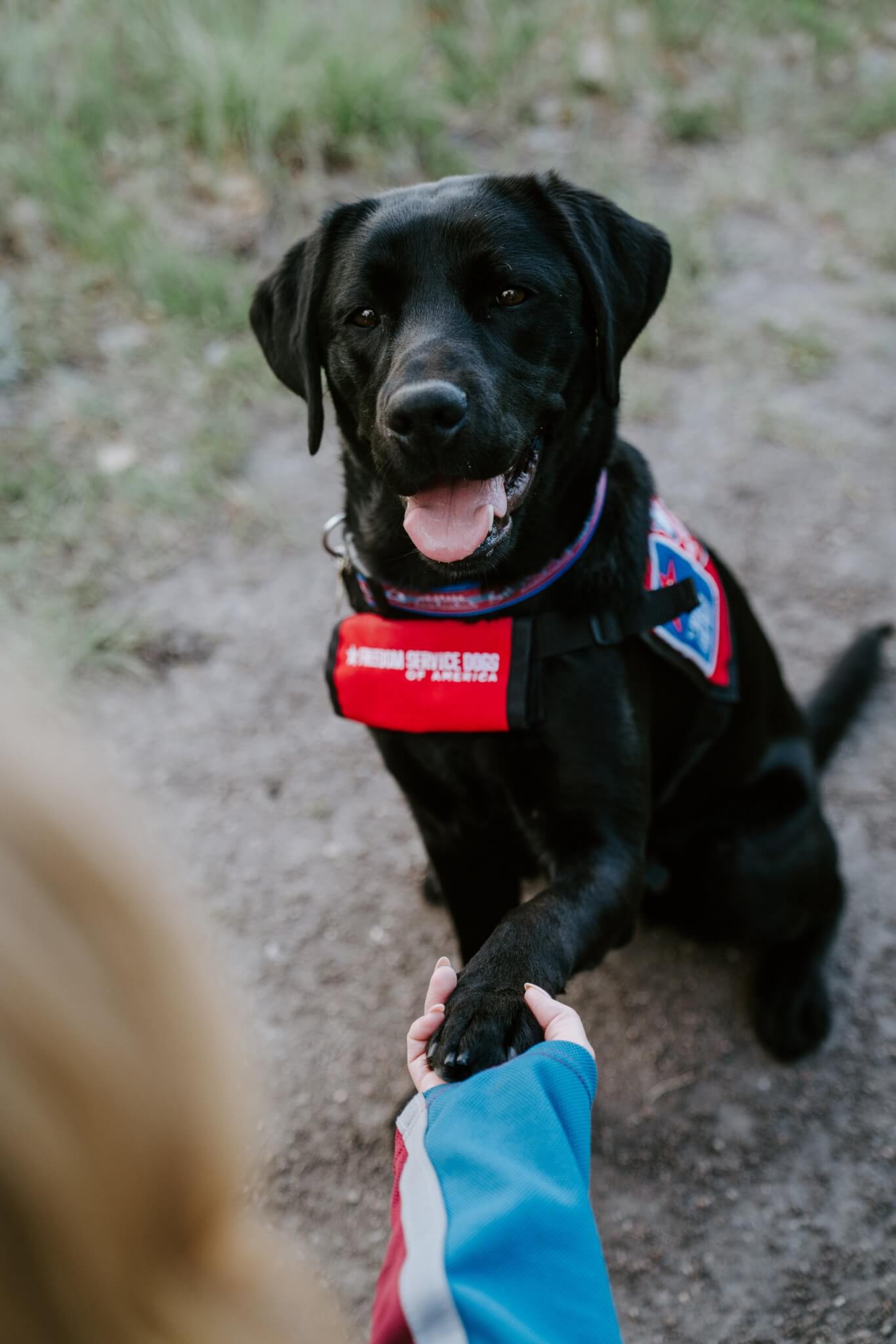
Did you know every September marks National Service Dog Month?
FSD is proud to purpose breed, custom train, and place extraordinary service dogs with veterans and first responders with PTSD or traumatic brain injuries, as well as individuals with physical disabilities or autism. And the best part is our clients pay absolutely nothing for their partnership and lifetime support services!
For those FSD serves, service dogs can make all the difference. By performing up to 40 customized tasks and providing endless love, support, and companionship, service dogs empower individuals living with disabilities to live with more possibility. They are much more than just highly trained assistance animals…they’re best friends, partners, and lifelines.
In honor of National Service Dog Month and the life-changing impact service dogs make in the lives of those who need them most, let’s talk about some of the common misconceptions about service dogs and their very important jobs.
Fact or Fiction?: Service dogs are different from facility dogs, skilled companion dogs, therapy animals, and emotional support animals (ESAs).
Fact! While they all help humans in different ways, service dogs, facility dogs, therapy animals, skilled companion dogs, and ESAs are not the same thing.
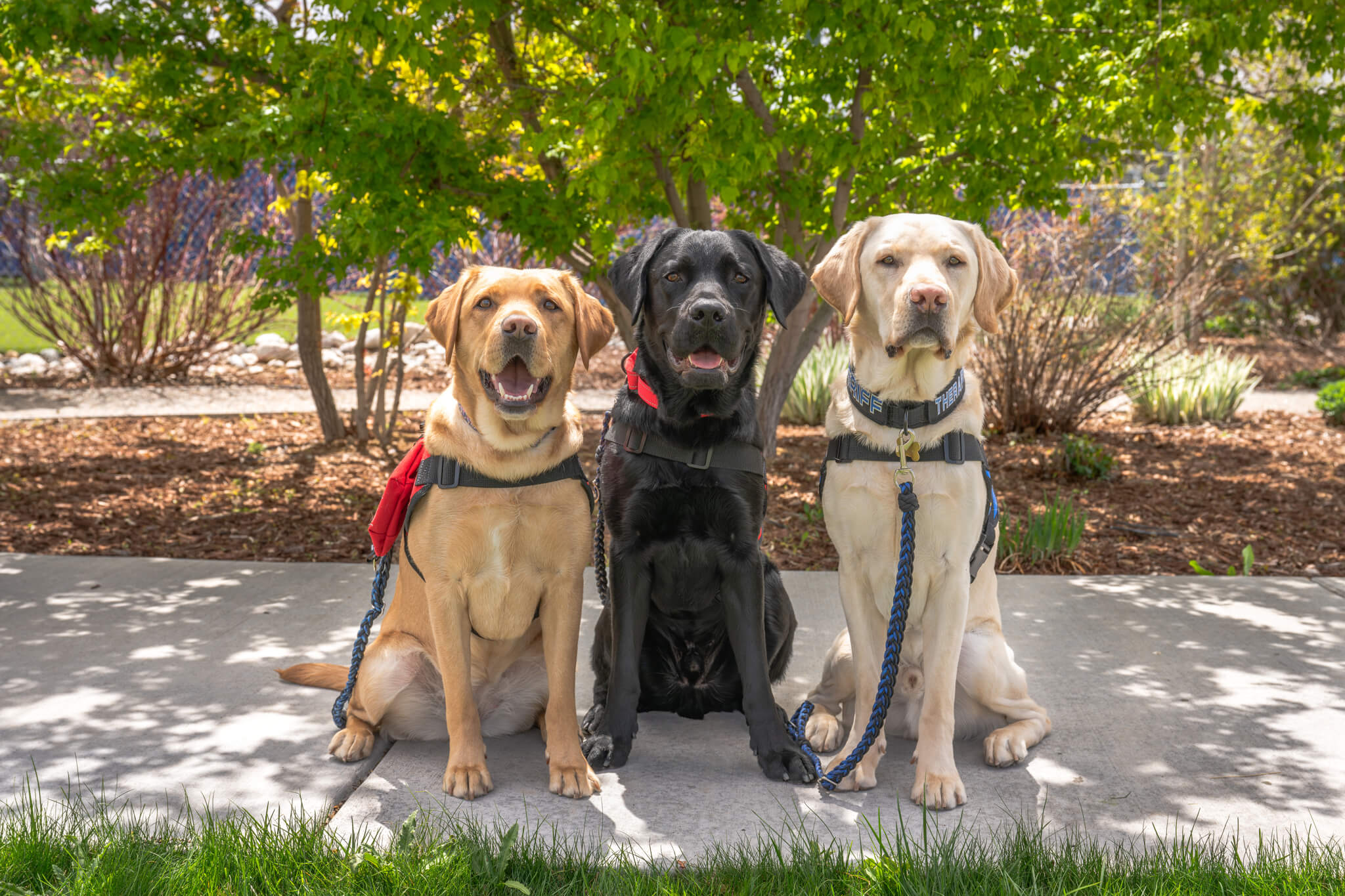
Service Dogs: According to the Americans with Disabilities Act (ADA), service dogs are individually trained to do work or perform tasks for a person with a disability. Examples of tasks may include pulling open doors and drawers, interrupting anxious behaviors, or retrieving medication. Service dogs and their handlers have public access rights protected by the ADA, generally allowing them to accompany our handler in spaces that serve the public, such as restaurants, shops, and hospitals.
Facility Dogs: At FSD, we purpose breed, raise, and train facility dogs who are partnered with a mental health or public safety professional to provide highly skilled therapeutic support to communities within a designated facility, such as a school, clinical therapy office, police or fire department, or hospital. They do not have public access rights outside of the facility they service.
Skilled Companion Dogs: When a dog doesn’t quite meet FSD’s high standards of health or behavior required to graduate as an assistance dog but still possesses all the ingredients that make up an incredible best friend, we place them as skilled companions with veterans, active-duty military members and their families, first responders, and Gold Star Families to provide comfort, companionship, and joy in the home. While they may have varying levels of advanced training and skills, they are not trained to perform specialized tasks and do not have public access rights.
Therapy Animals: Therapy animals are trained pets who visit community spaces, such as schools, hospitals, airports, and nursing homes to bring comfort, joy, and stress relief to others. Unlike service dogs, they serve the public, are not task trained, and do not have public access rights unless given explicit permission from the establishment they are serving.
Emotional Support Animals (ESAs): ESAs are pets who provide a therapeutic benefit, such as comfort, companionship, and/or emotional support, that helps a person with a diagnosed mental health or psychiatric condition alleviate their symptoms. ESAs do not perform specific tasks and do not have public access rights.
Fact or Fiction?: Any dog can be a service dog.
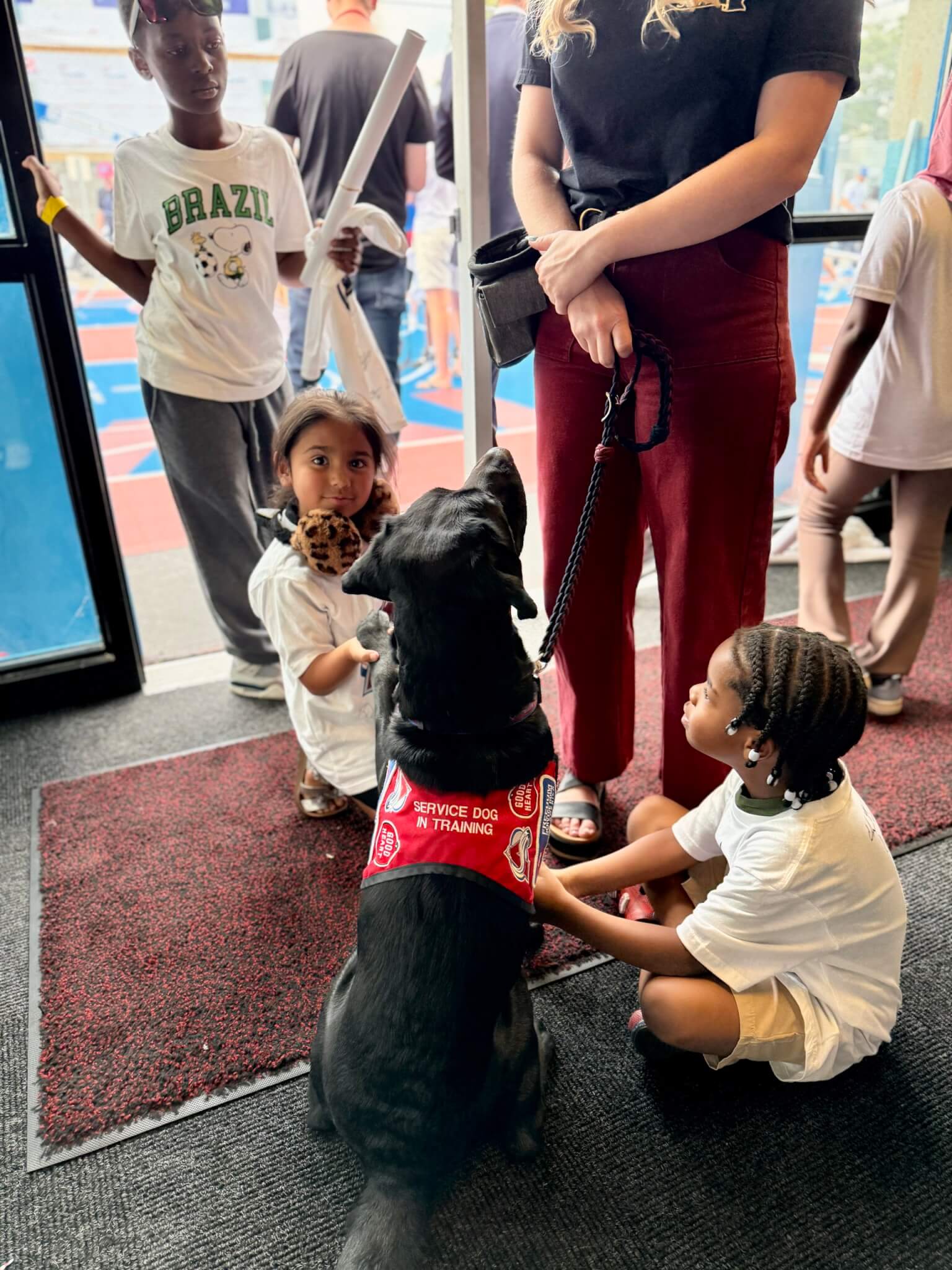
Fiction! Service dogs must master far more than just basic obedience. They must possess a unique combination of excellent health, confidence, focus, adaptability, advanced task skills, and a strong desire to work alongside people, which allows them to provide service reliably in virtually any environment.
Some dogs may possess traits that make them wonderful family pets but may not necessarily make them suitable for service work, such as being excited by other dogs. In fact, even dogs who are purposely bred for assistance dog work and raised with extensive socialization, training, and support do not all become service dogs. Throughout each dogs’ development, FSD evaluates our health, behavior, and aptitude for service work to determine what role is the best fit for our strengths and personality. While many of us go on to thrive in a career as assistance dogs, others may be better suited for a laidback lifestyle as a skilled companion or pet dog.
Fact or Fiction: Service dogs can help individuals with visible and/or invisible disabilities.
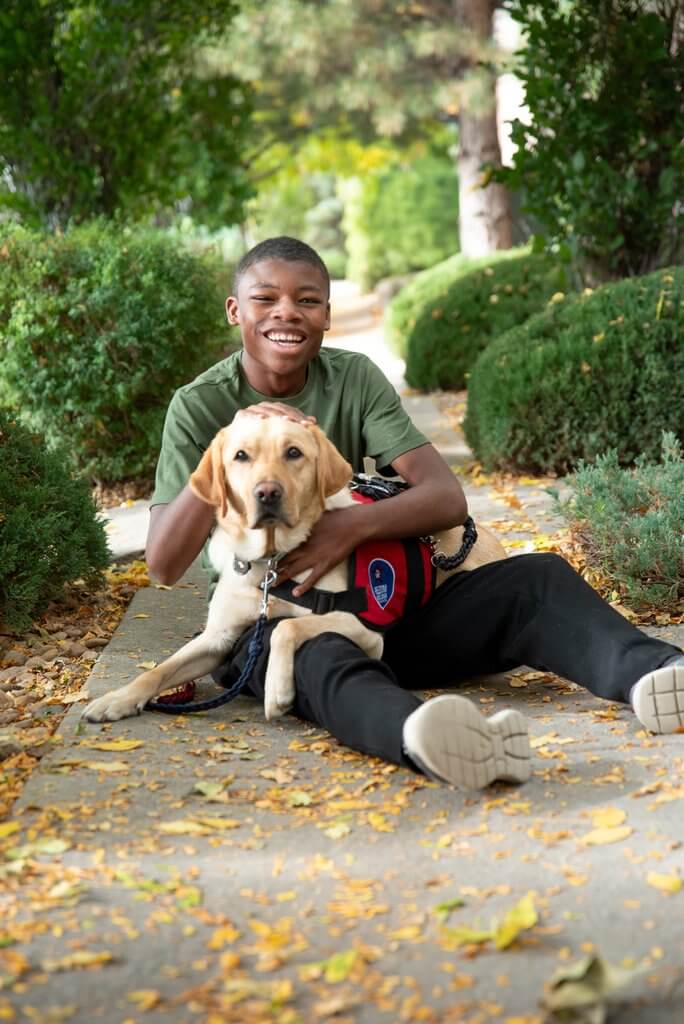
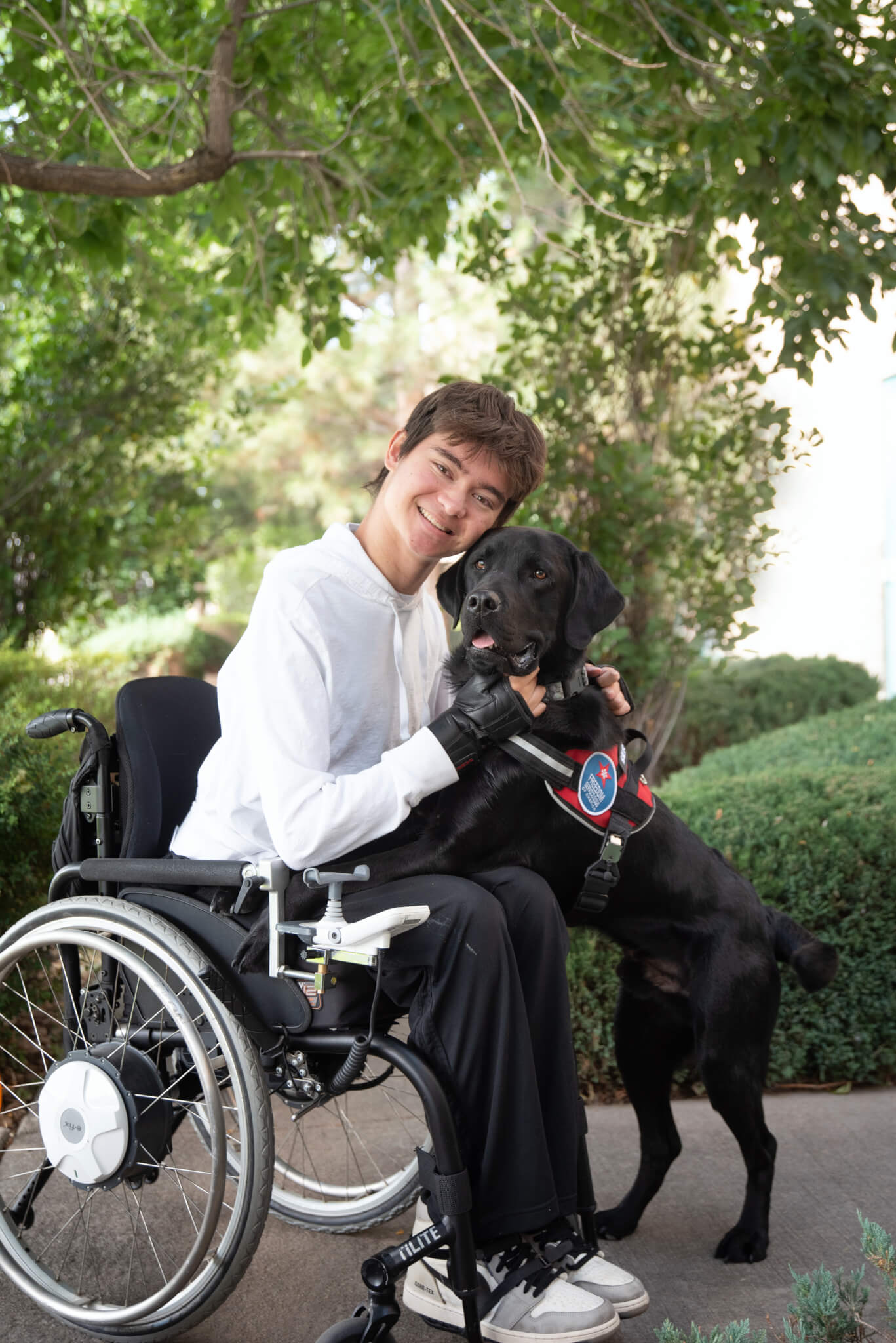
Fact! Most people traditionally think of service dogs helping individuals with physical, visible disabilities, but they can also be life-changing for those living with disabilities that can’t be seen outwardly, such as those struggling with conditions like PTSD.
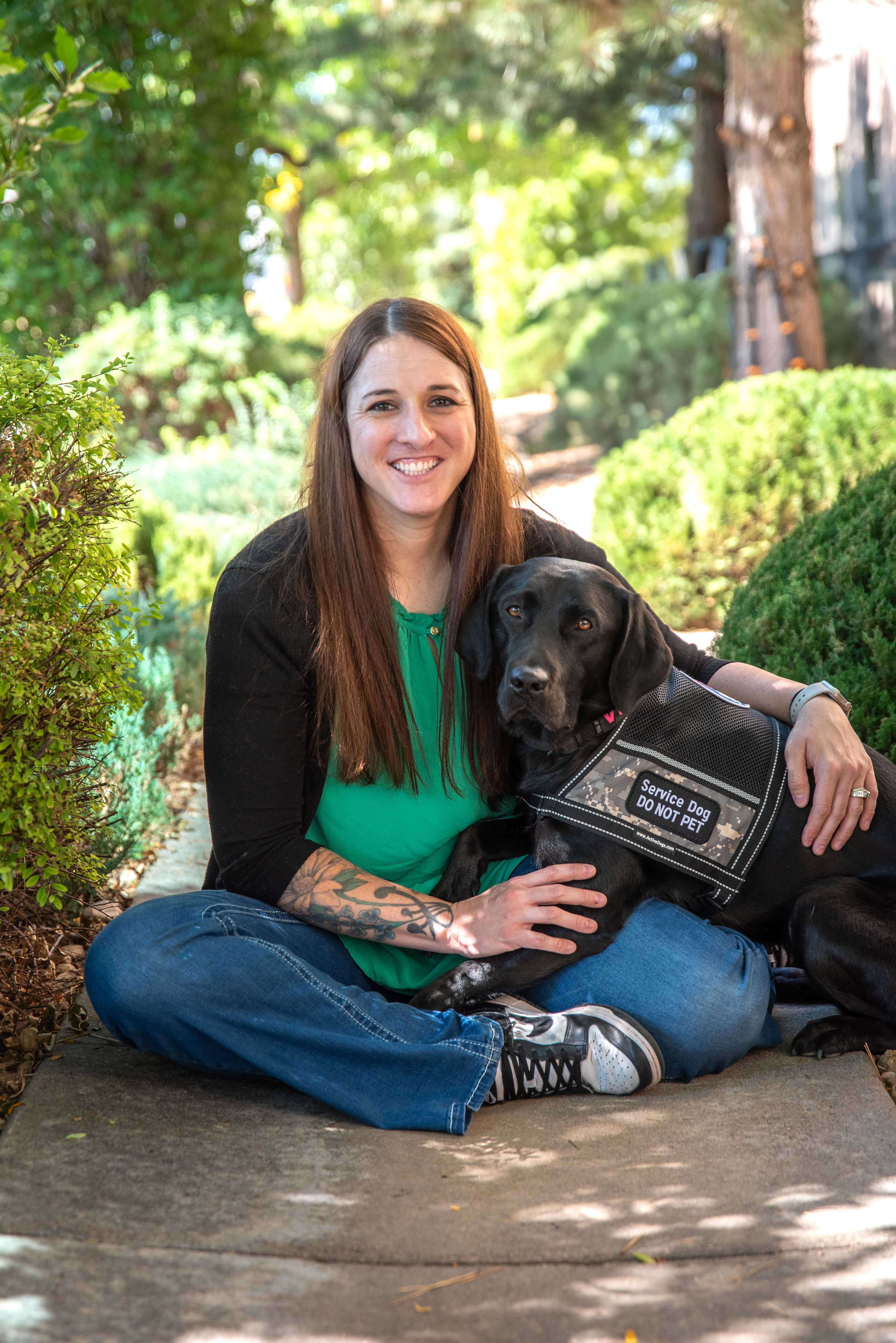
Because invisible disabilities are often misunderstood, service dog handlers with no outward signs of a disability may face more frequent questions, judgements, accusations of not needing a service animal or “faking” their service animal, and skepticism from those who may assume someone must “look like they have a disability” to need assistance. In reality, a person’s disability is private information, and the need for a service dog is not determined by whether others can see it.
Fact or Fiction: Businesses are allowed to ask handlers questions about their service animals.
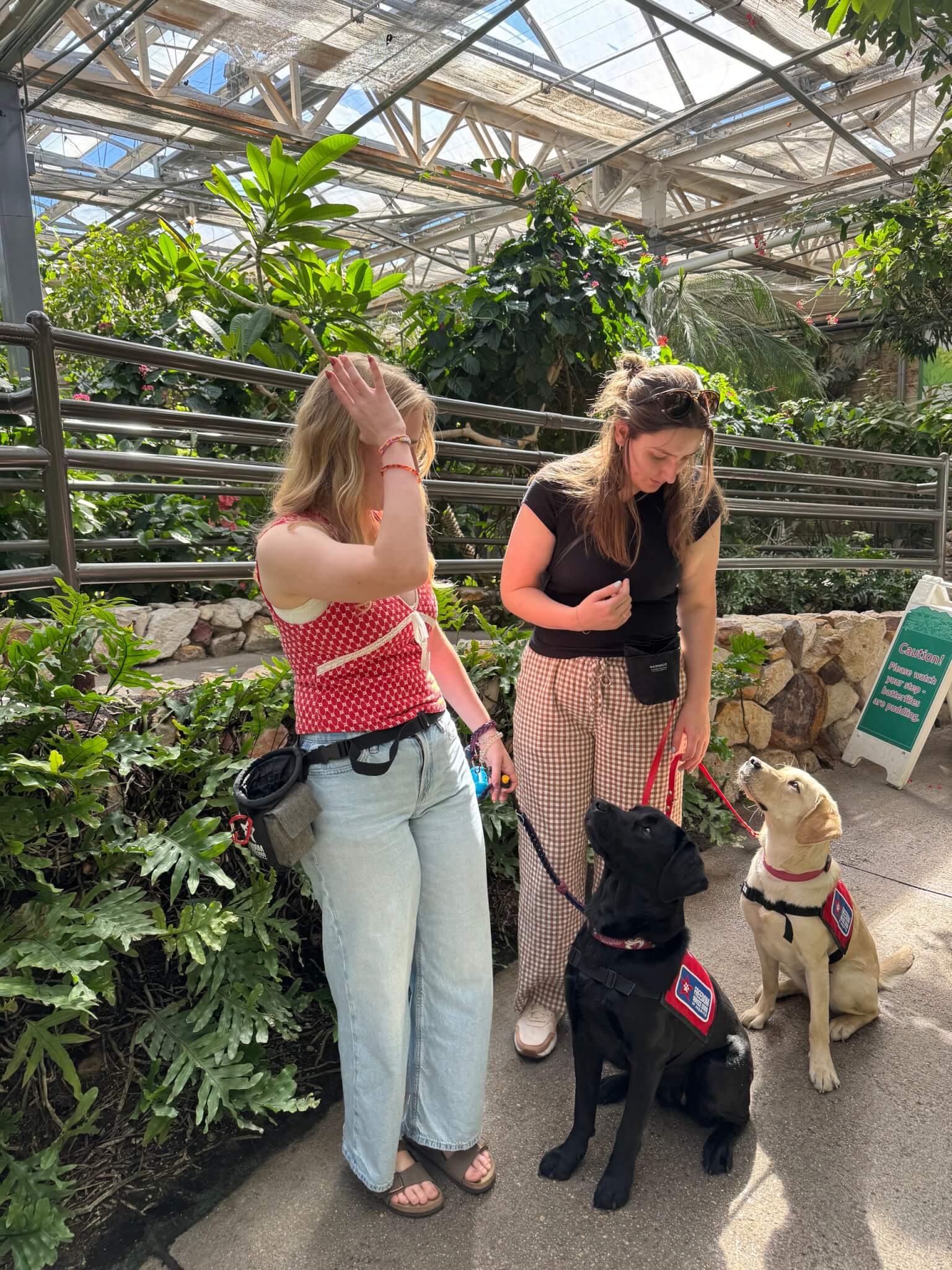
Fact (but with a caveat)! According to the ADA, if someone working at a business or state/local government facility encounters a dog and their handler and it is unclear whether or not the dog is a service dog, they may ask for certain information with two specific questions:
- Is the dog a service animal required because of a disability?
- What work or task has the dog been trained to perform?
Businesses are not allowed to request documentation that “proves” the dog is licensed, registered, or certified as a service animal. Nor can they inquire about the nature of a person’s disability or require that the dog demonstrates a task.
Fact or Fiction: It costs about $50,000 to breed, raise, and train a Freedom Service Dog.

Fact! From the time they are born to the day they graduate with human partners, every service dog in FSD’s program takes a village of humans and nearly $50,000 in the highest quality veterinary care, food, supplies, and training necessary to become a successful partner for someone in need.
While it takes significant resources to match a client-dog team, the gift they provide people in need is priceless. That’s why each client receives their furry lifeline and lifetime support services at absolutely no cost to them…and it’s all thanks to the generous people in our community who contribute their time, talent, and treasure to our mission.
Interested in helping us partner more extraordinary dogs with veterans, first responders, others living with disabilities, and professionals providing essential mental health and crisis support services? Visit freedomservicedogs.org to give a gift of any amount or join us as a volunteer!
Fact or Fiction: Service dogs must be identified by a vest, identification, and/or certification papers.
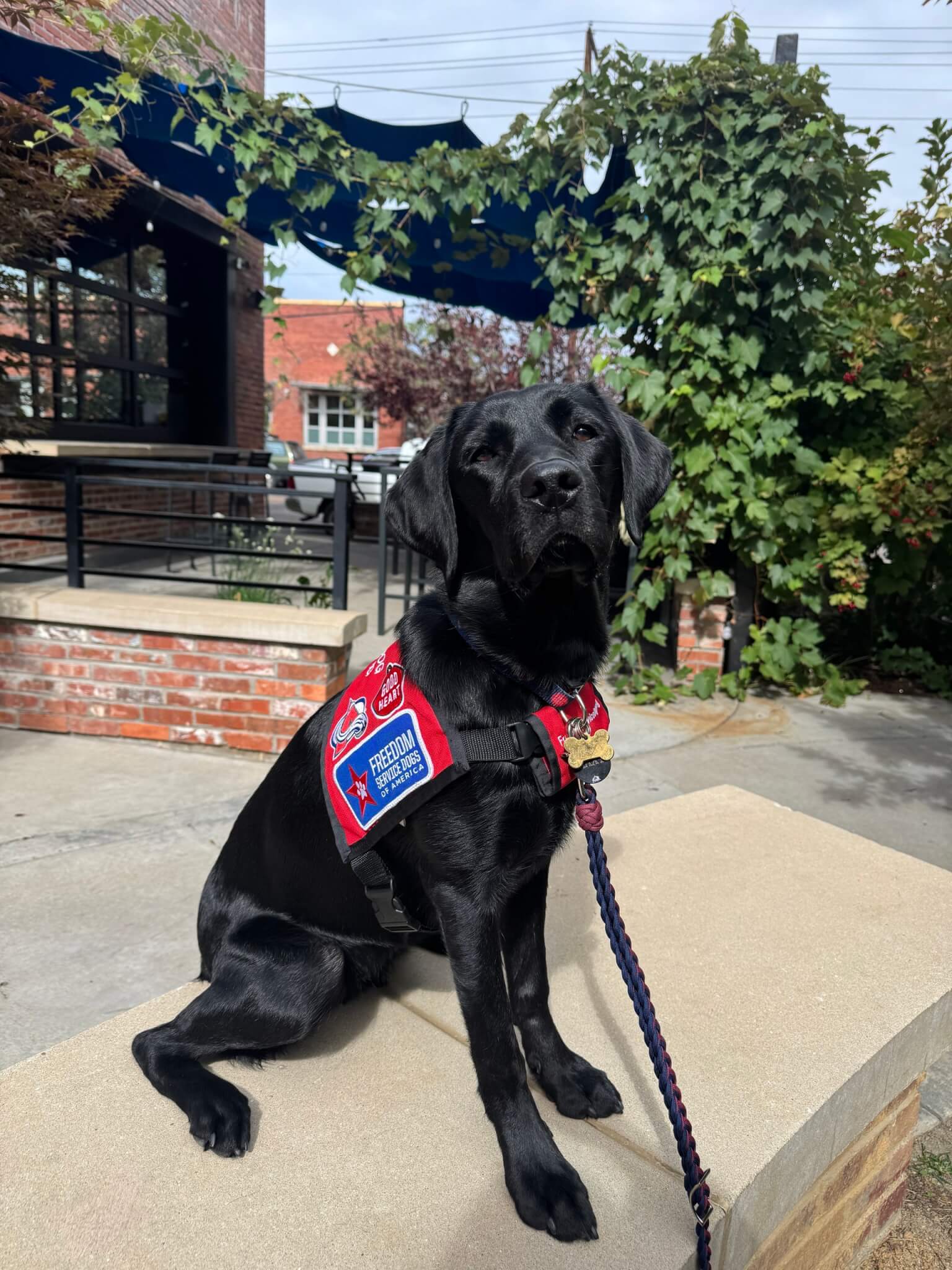
Fiction! In the United States, service dogs are not required by the ADA to wear a vest, patch, tag, specialty harness, or other form of ID or gear that indicates they’re service animals. A service dog’s legitimacy is based on their training and ability to perform tasks that mitigate a person’s disability—not the equipment they wear.
Many handlers still choose to utilize a vest or other gear for practical reasons, such as helping the public identify them as working dogs and reducing unwanted interactions and distractions. Some service dog teams may also use specialized equipment to help the dog perform specific tasks, such as using a harness with a handle for brace and balance support.
Likewise, there is no federally recognized service dog certification, registration, or identification system in the United States. While some websites claim to sell certificates, ID cards, or registrations claiming to “officially” recognize service dogs, these documents do not determine whether a dog is a legitimate service dog under the law.
Fact or Fiction: Service dogs are always working.
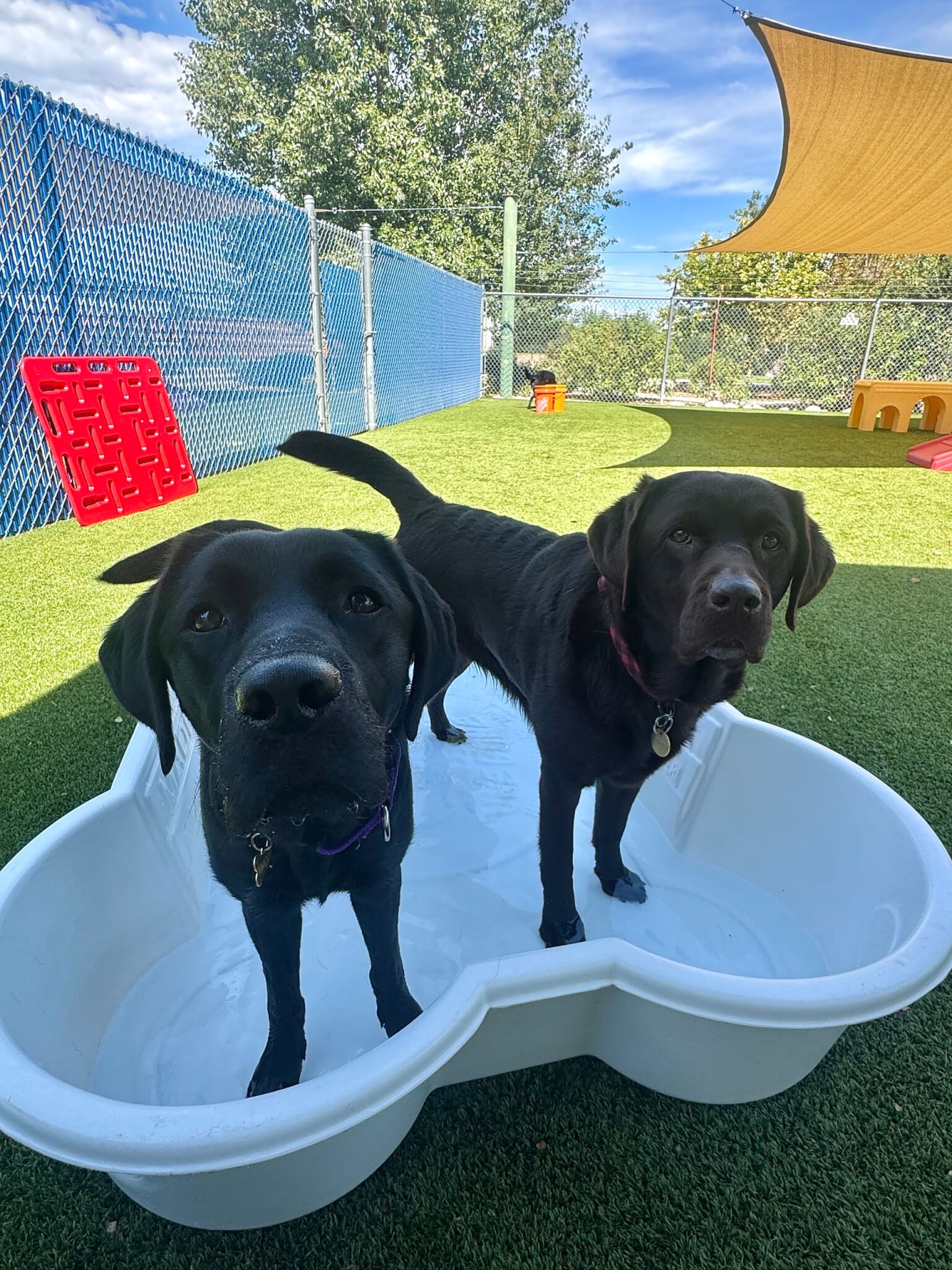
Fiction! Like people, it’s important for service dogs to play and rest just as hard as they work! When they’re off-duty, they often enjoy playtime, enrichment activities, exercise, long naps, cuddling, toys, outdoor activities, and time to just “be a dog.” A balance between work and play helps them remain successful in their important roles!
Fact or Fiction: PTSD service dogs only provide emotional support.
Fiction! While service dogs partnered with individuals with PTSD may provide comfort and emotional support, their work goes far beyond companionship. They’re often task trained to perform specialized cues that help relieve PTSD symptoms, such as awakening their handler from nightmares, interrupting flashbacks and anxious behaviors, creating space in crowds, and performing deep pressure therapy to calm the nerves and bring them back to the present moment.
At FSD, we are proud to give back to veterans and first responders living with PTSD, as well as traumatic brain injuries and other service-related injuries, by partnering them with highly skilled service dogs who empower freedom and independence. Since our founding in 1987, we have matched hundreds of service dogs with our nation’s heroes, many of whom can attest to the life-changing impact of their battle buddy. Far more than just companionship and emotional support, our PTSD-assist service dogs are true lifelines for those who need them most.
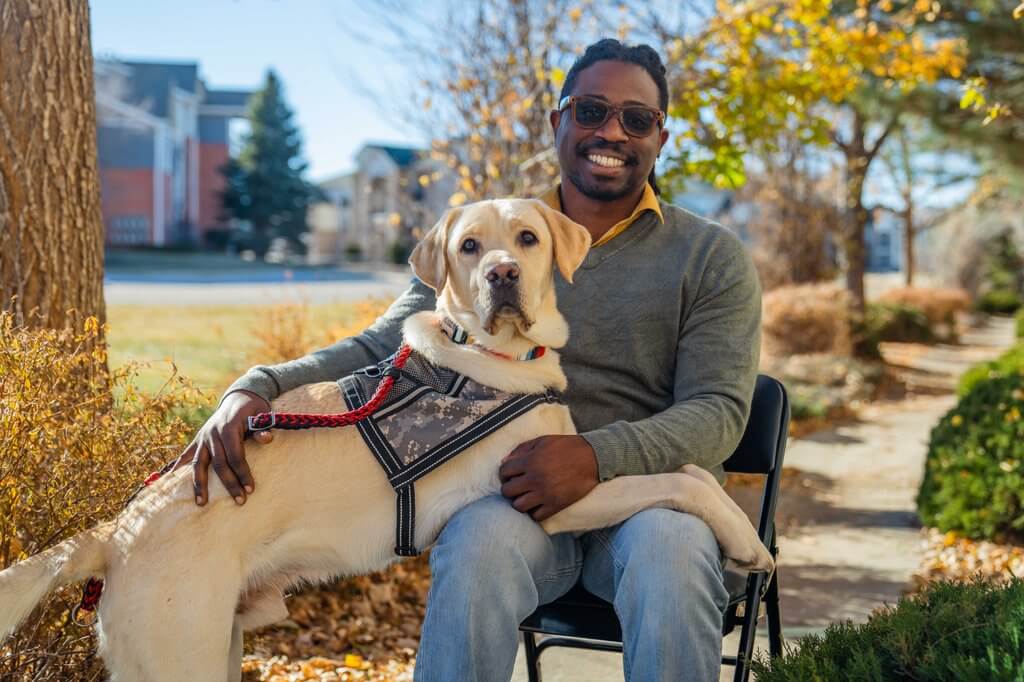
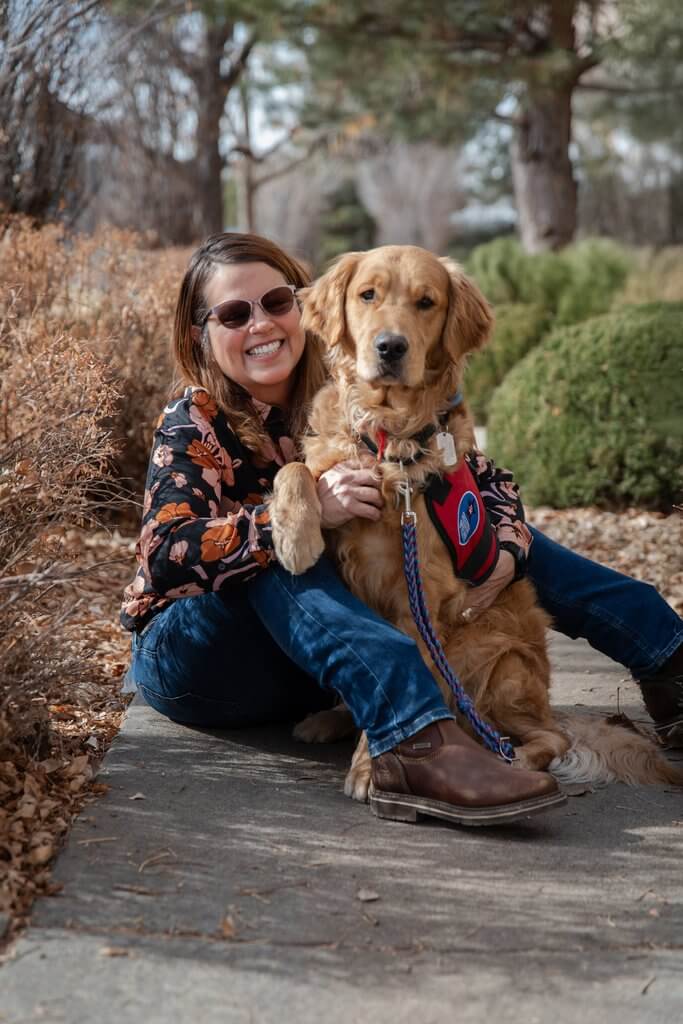
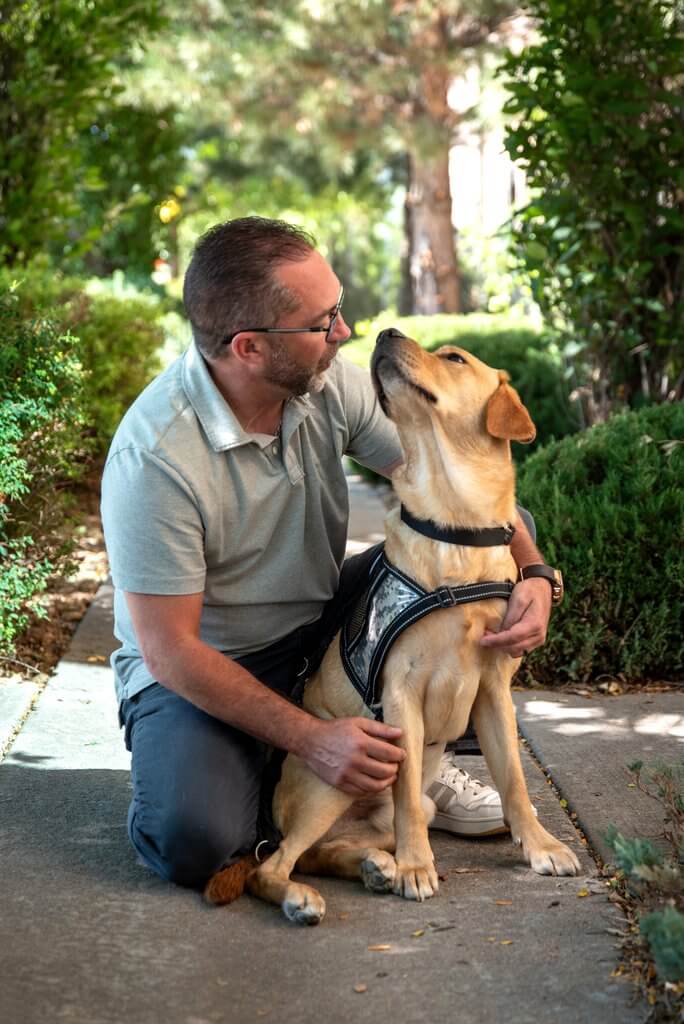
To discover more about how service dogs can make a difference in the lives of those who have served our country and community, meet FSD team Hans & Chinook here!
Final Thoughts
Now that you’re a service dog expert, be sure to share this blog and more about FSD’s mission with your friends, family, neighbors, and co-workers!
For more on our programs and how to get involved, visit our website: freedomservicedogs.org.
To learn more about all the ways you can leave paw prints on our mission, read: WAYS TO SUPPORT FSD.
To get in touch with us, call 303-922-6231 or email [email protected].
About the Writer

A local celebrity, Maxy is the first-ever Colorado Avalanche Team Dog, in partnership with Goodheart Animal Health Centers. In addition to her hockey star duties, Maxy is training to become a life-changing service dog for a hero in need with Freedom Service Dogs.
Be sure to follow Freedom Service Dogs on Instagram, Facebook, LinkedIn, and X @freedomservicedogs to keep up with everything Maxy does! And if you’d like to support her on her service dog journey, you can contribute to the Maxy Scholarship Fund, which covers the cost of her training and care throughout our program.
Learn More about Freedom Service Dogs
Want to learn more about our mission, make a gift to support our work, our join our community of volunteerts? Visit our website at freedomservicedogs.org, call 303-922-6231, or email us at [email protected] to learn more about how our dogs make a difference and how you can too!
If this blog made your tail wag, you may also enjoy:
10 Interesting Facts About Service Dogs
Published 09/11/26

Contact Erin Conley at [email protected] for all media inquiries.