10 Interesting Facts About Service Dogs
Celebrating September as National Service Dog Month
In honor of National Service Dog Month, Freedom Service Dogs (FSD) is celebrating all the incredible ways service dogs make a profound difference in the lives of people with disabilities!
At FSD, we see firsthand the power dogs have to change lives. That’s why we’re committed to placing the highest quality, custom-trained service dogs with veterans and first responders with PTSD or traumatic brain injuries, as well as people with physical disabilities or autism, at no cost. For those we serve, an FSD dog is a lot more than an assistance animal—they’re an everyday game changer.
As we recognize these hard working pups throughout the month, here’s ten facts about service dogs that may surprise you!
1. FSD Service Dogs are trained to perform 45+ life-changing tasks

FSD Service Dogs are custom-trained to meet the unique needs of their human partner. The cues they learn to perform are tailored to each handler and can play a pivotal role in enhancing independence, happiness, confidence, and quality of life. Examples of tasks may include:
- Awakening a veteran or first responder from a nightmare
- Interrupting flashbacks or anxious behaviors
- Creating space in crowds
- Picking up dropped items
- Opening doors and drawers
- Tugging off clothing
2. Service dogs and their handler’s rights are protected by the ADA

The Americans with Disabilities Act (ADA) protects the rights of people with disabilities, including those who utilize a task-trained service dog. The ADA enforces a national mandate that requires businesses and organizations that are open to the public, as well as states and governments, to generally allow service animals where the public can go. This includes public access in establishments that have a “no pets” policy, such as schools, restaurants, hospitals, grocery stores, hotels, and more.
ADA protections also extend to employment of those with service animals and in certain housing situations.
To learn more about the ADA and service animals’ rights, click here!
3. Service dogs play as hard as they work

While service dogs perform important duties for people with disabilities both in the home and in public, they also get to relax, play, cuddle, and have fun when they’re off duty just like any other dog. While not every dog is a service dog, you can rest assured that every service dog is also a well-loved companion who lives a full and enriched life!
Follow Freedom Service Dogs on Instagram, Facebook, TikTok, and LinkedIn to see FSD pups having fun all year long!
4. Service dogs can be any breed, gender, or size

Service dogs come in all shapes and sizes and can be any breed or gender, according to the ADA. However, FSD primarily trains Labrador retrievers, golden retrievers, and Lab-golden crosses because of their ideal temperament, trainability, optimal size for task performance, and the wealth of genetic information we have on these breeds.
Read “Why We Use Labs” to learn more about why we primarily utilize Labrador retrievers in our program!
5. Many service dog schools rely on volunteer puppy raisers… including FSD!

For many service dog organizations, volunteer puppy raisers play a crucial role in guiding puppies with a purpose to be hardworking service dogs. At FSD, our puppy raisers are the backbone of our work and we couldn’t do what we do without them!
FSD puppy raisers open their homes and hearts to a 2 to 4-month-old future service dog superstar, caring for them for 2 to 14 months. During that time, they provide endless love, basic obedience training, and important socialization before the pup returns to FSD for formal training. Along the way, raisers get to experience countless puppy snuggles, pride in knowing they’re making a lasting difference, and the chance to connect with a community of caring and generous dog lovers!
Interested in becoming an FSD puppy raiser? Call us at 303-922-6231 or email [email protected]. You can learn more about puppy raising HERE!
6. Service dogs are not the same as emotional support animals, therapy animals, skilled companions, or pets

While the terms service dog, therapy dog, skilled companion dog, and emotional support animal often get confused, it’s important to recognize the differences and understand the distinct role each plays in people’s lives.
- A service dog is task-trained to perform one or more specific behaviors that assist someone with their disability directly. Examples of service dogs may include PTSD assist dogs, mobility assist dogs, autism assist dogs, medical alert dogs, guide dogs for the blind and visually impaired, and hearing dogs for the deaf and hard of hearing. Service dogs are protected under the ADA and have public access rights, meaning they are legally allowed into public establishments, even if there is a “no pet” policy.
- A therapy dog is an animal who is certified to provide therapeutic comfort and affection to others, such as in hospitals, law enforcement offices, schools, clinical therapy offices, and more. They do not have public access rights and are not protected by the ADA, although they may receive special clearances to provide therapy services in establishments where pet dogs may not be allowed to go.
- A skilled companion dog may vary in the amount of advanced training they have received, but their main purpose is to provide comfort and companionship to an individual or family. They are not protected under the ADA and do not have public access rights, but they make wonderful family companions who never get sick of hearing, “Good dog!”
- An emotional support animal (ESA) is a pet who provides comfort, support, and companionship to a person with a mental health condition. Prescribed by a mental health professional and deemed necessary for a person’s well-being and recovery, ESAs are not protected by the ADA and do not have public access rights, meaning they are not permitted in establishments that aren’t pet friendly.
7. FSD Service Dogs are born for this kind of work
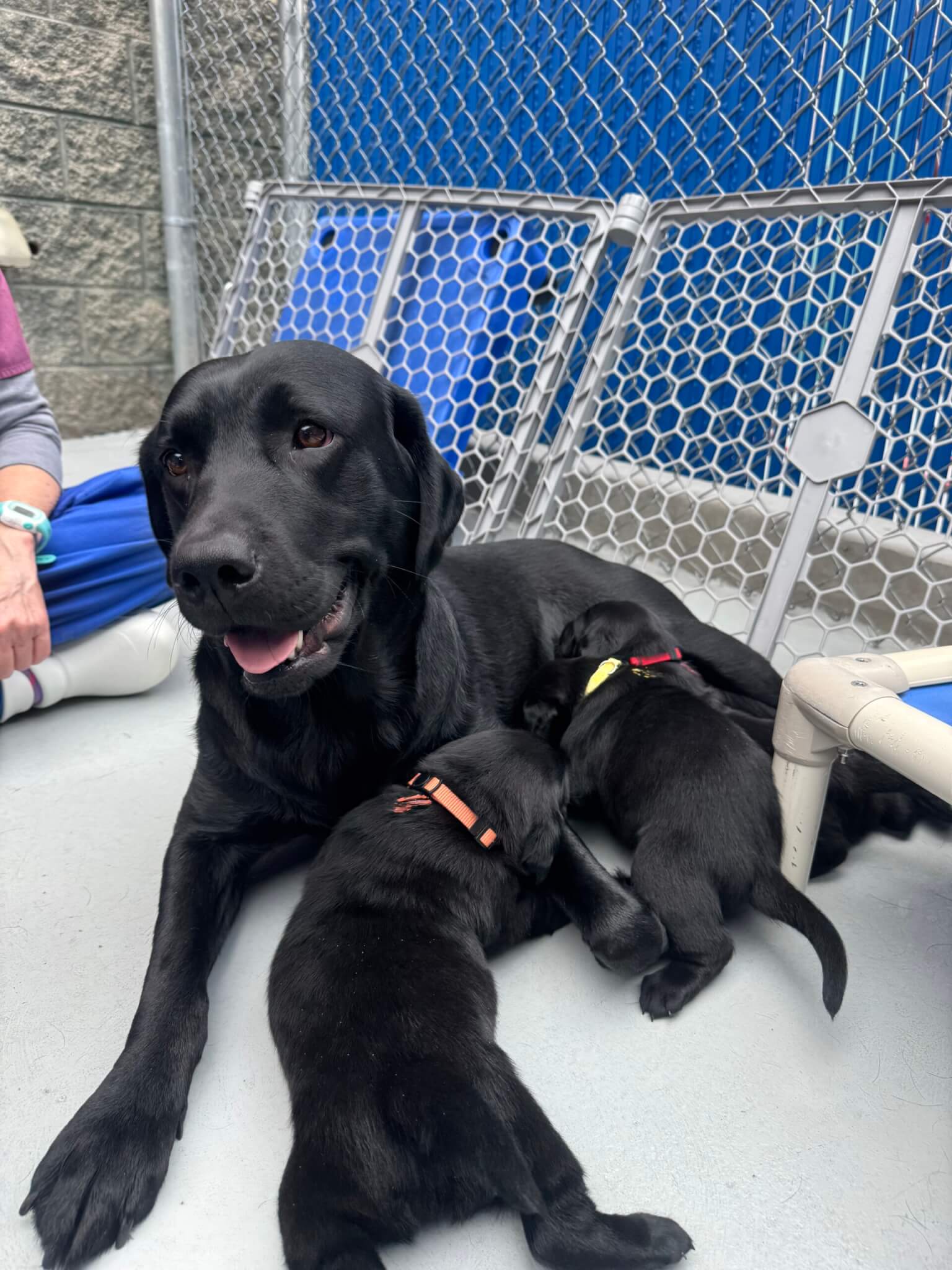
FSD dogs are born and bred to become assistance dogs! Our talented nursery team makes thoughtful and strategic purpose-breeding decisions to give each puppy the best chance of having the health and temperament needed for service work.
From their very first few days, FSD puppies are introduced to socialization and new experiences and stimuli that help build traits that service dogs require, such as confidence, curiosity, and comfort with body handling. As they grow, they continue to receive specialized training and support to help them reach the ultimate goal of changing someone’s life as an assistance dog!
Learn more about FSD’s puppy socialization process here!
8. Service dogs receive nearly 2 years of training before graduation

From birth to placement, it can take up to two years for a dog to graduate as an FSD Service Dog. This includes a puppy’s first few weeks in the FSD nursery, two months living and training with an inmate handler with one of our prison program partners, following 12 to 14 months with a volunteer puppy raiser, and six months to a year learning custom cues with FSD staff trainers before finally being matched with a person. We understand that dogs aren’t one-size-fits-all when it comes to training, and we take our time to ensure each of our pups are placed with the person or situation where they will have the most impact.
Learn more about the puppy pathway to service dog success!
9. Distracting working service dogs is disrespectful and possibly life-threatening
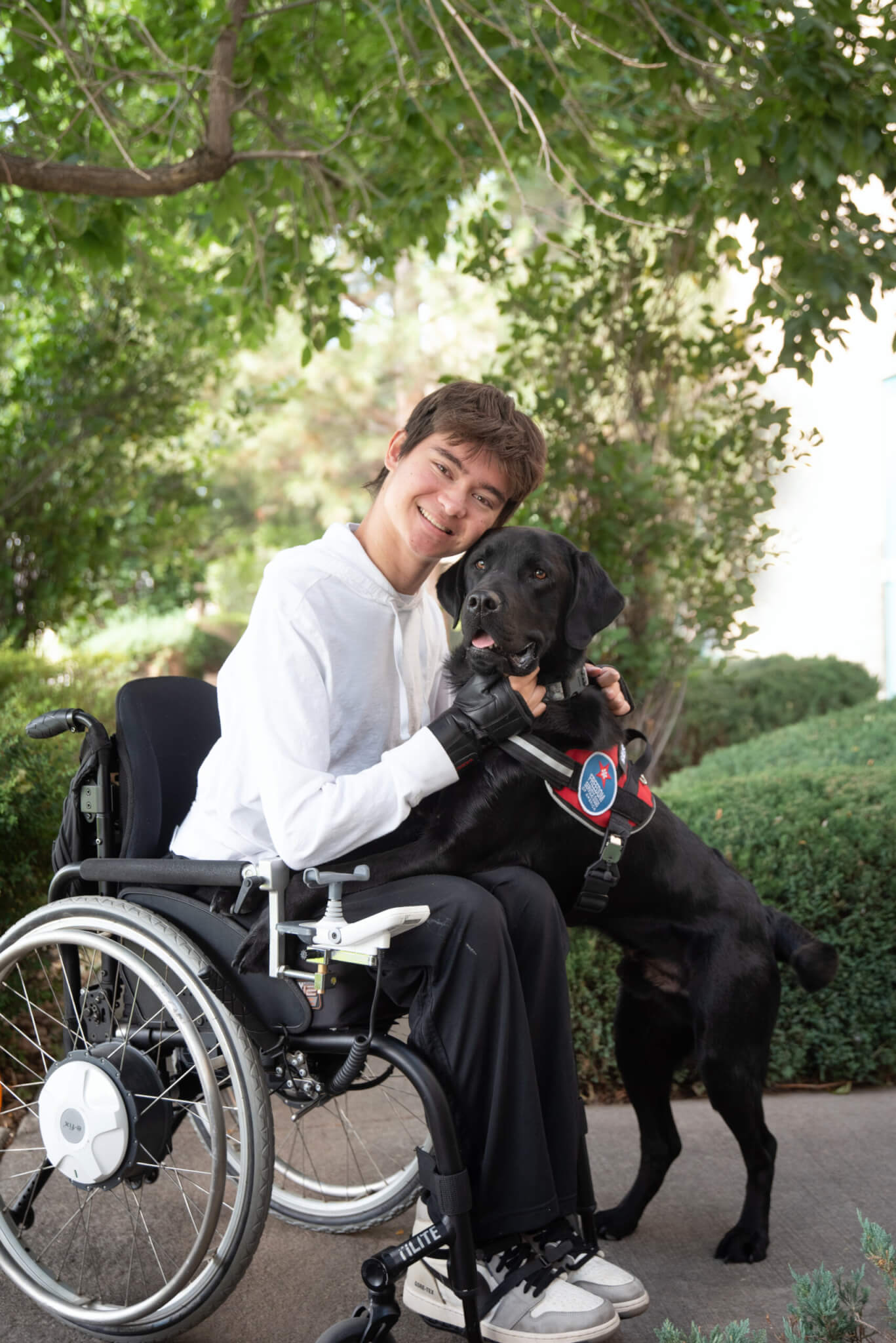
Service dogs may be adorable, but they’re also performing important functions for someone with disabilities. As tempting as it may be to interact with a service dog, distracting them while they’re working is disrespectful to the handler and makes their day a lot more difficult. And in some cases, it can be downright dangerous if a dog were to miss a medical alert or accidentally pull their handler because of a distraction.
The most respectful thing you can do when you see a service dog is nothing at all. Here are a few quick tips for interacting with service dogs:
- Don’t pet the dog or ask to pet the dog
- Don’t talk to the dog
- Don’t call the dog to you
- Don’t take pictures of the dog
- Don’t stare at the dog
- Don’t ask what the dog is for
- Just play it cool and interact with the handler rather than distracting the dog
Watch a video about service dog etiquette HERE!
10. Service dogs cost $30,000 – $50,000 to train and care for
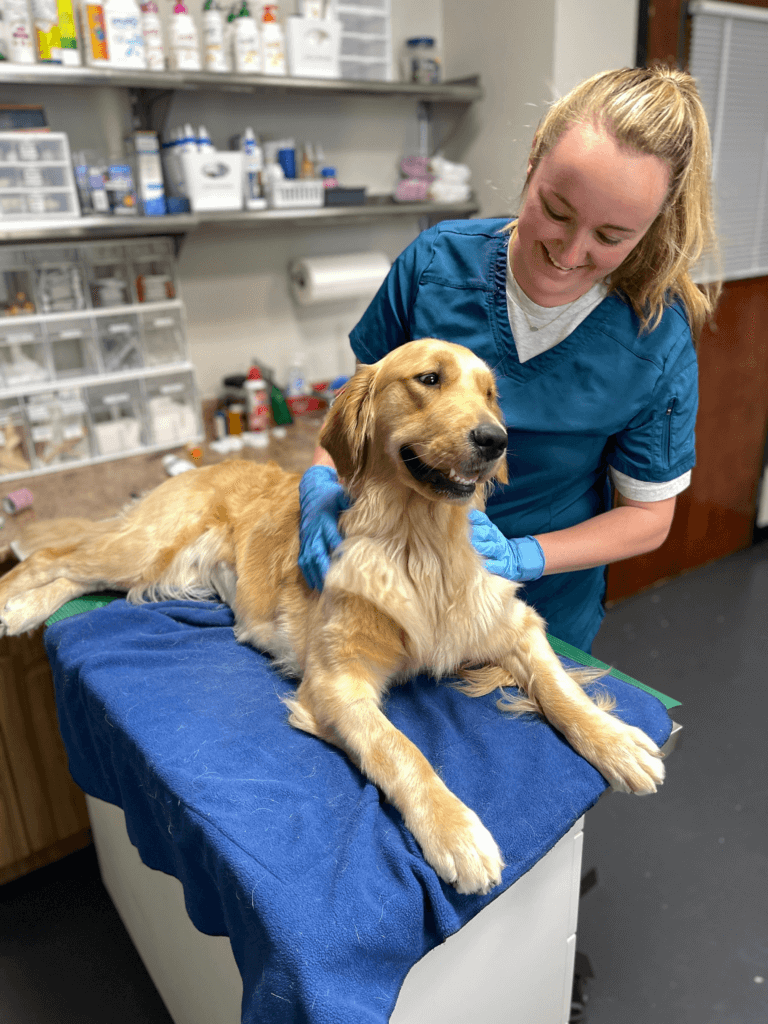
From birth to graduation, the costs of raising, training, and caring for an FSD Service Dog adds up to a staggering $30,000 to $50,000! Costs associated with breeding, high-quality veterinary care, food, toys and enrichment items, training equipment, and staff time and resources necessary to set a dog up for success all add up to this price tag.
Even with the high cost, every FSD Service Dog is placed completely free of charge with a person who needs them! We know how life-changing these dogs can be and are dedicated to ensuring that cost isn’t a barrier to receiving one. But as a nonprofit, we rely on the generosity of the community to make this possible. When you choose to support FSD with a gift of any amount, you can help us place more of these life-changing dogs with people with disabilities.
Our dogs make a difference, and so can you! Give a gift today and be the hero those in need are counting on this National Service Dog Month.
Published 09/15/2025

Contact Erin Conley at [email protected] for all media inquiries.