Top 5 Dog Enrichment Ideas
Hi, it’s Freedom Service Dog in training Maxy here!

Did you know that daily mental and physical stimulation is incredibly important for dogs’ overall health and well-being? And as a puppy with a purpose who dreams of becoming a life-changing service dog, it’s especially important that service dogs in training stay at our best, both mentally and physically, with plenty of healthy stimulation through enrichment activities.
Enrichment activities allow dogs to appropriately engage in natural behaviors, such as licking, sniffing, playing, and exploring. These activities challenge our minds, help us learn new things and problem solve, and even cure boredom! Whether you have an energetic puppy like me or a laid-back senior dog at home, adding stimulating activities to your furry friend’s daily routine can boost their well-being and strengthen your bond. Facilitating these activities for dogs who are in training to become working dogs, such as service dogs, is especially important, as it helps build important problem-solving skills, increase confidence, create positive associations with environments, and burn off extra energy to help us grow into successful assistance animals!
Now that you know why enrichment is so important for your animal companions, here are five fun and effective ways to add enrichment to their life.
(The following should not be taken as veterinary advice. Please consult your veterinarian before changing your dog’s diet, fitness plan, or routine. Always supervise your dog during enrichment activities.)
- Dog Puzzle Toys
Mental enrichment is just as important, if not more so, than physical activity. Without an appropriate outlet to keep our minds engaged, we can become bored and anxious, which often leads to unwanted behaviors like chewing on inappropriate items, barking, and digging. Enrichment activities and brain games can help prevent that while also providing a fun and rewarding challenge.
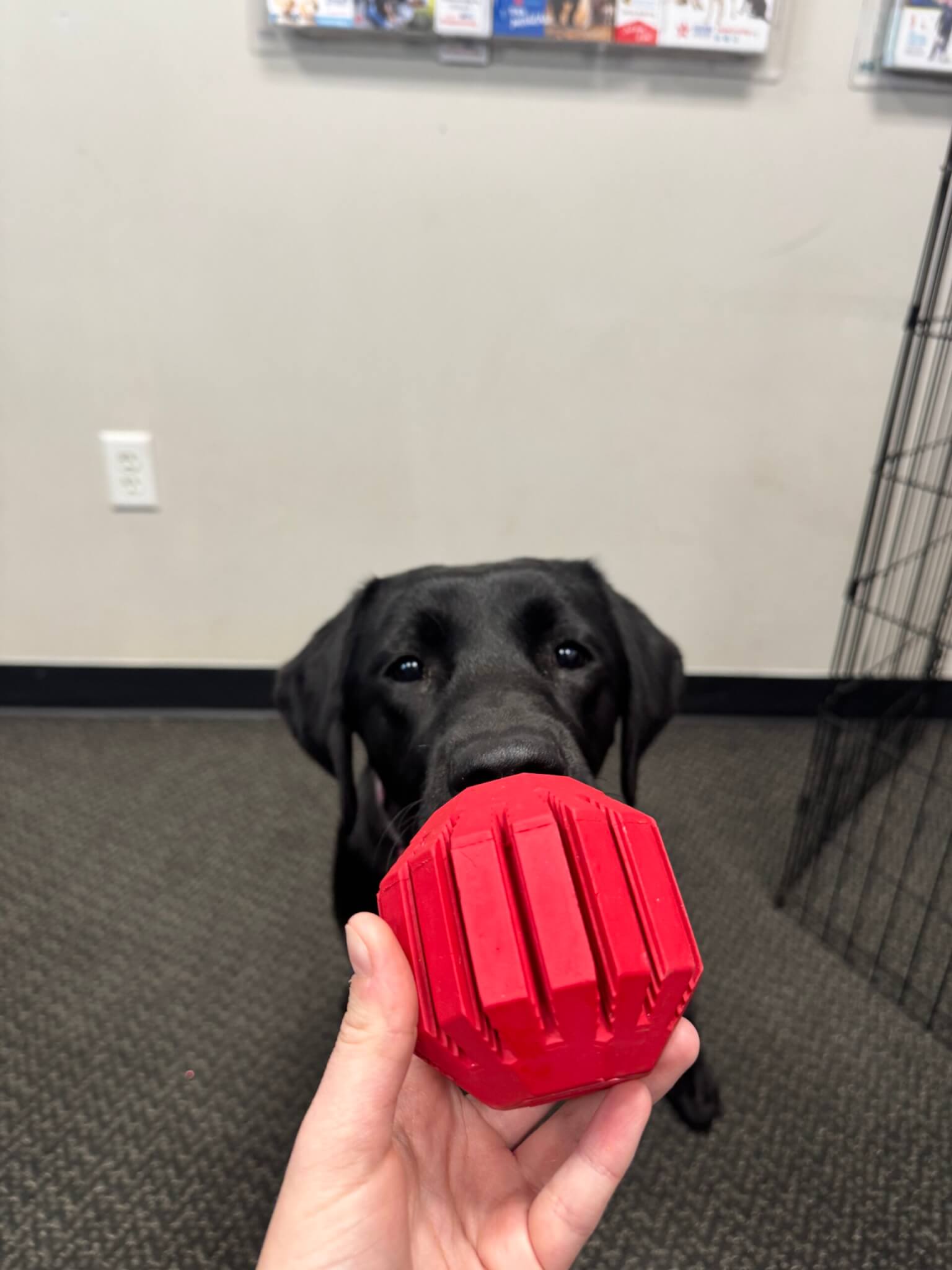
Puzzle toys for dogs are one of the simplest and most effective ways to stimulate your dog’s mind and provide an outlet for innate behaviors like licking and scavenging. Highly interactive and rewarding, they are also fantastic tools for slowing down eating and building positive associations with things and places we may not like, such as the crate, the car, novel environments, bath time, or the veterinary clinic.
Some of our favorite enrichment toys and puzzles at Freedom Service Dogs include:
- KONG
- KONG Wobbler
- West Paw Toppl
- Outward Hound Dog Games
- Snuffle Mats (click here for DIY instruction!)
- Lick mats
We recommend starting with an easier puzzle, like a KONG filled with loose kibble, and gradually increasing the challenge as your dog gets the hang of it. Playtime should always be fun, rewarding, and interactive, so if your pup gets frustrated or loses interest in the puzzle, try an easier game or increase the value of their reward!
Freedom Service Dogs love to play! You can keep our playtime fun and exciting all year long by shopping our Amazon Wish List.
2. Physical Exercise
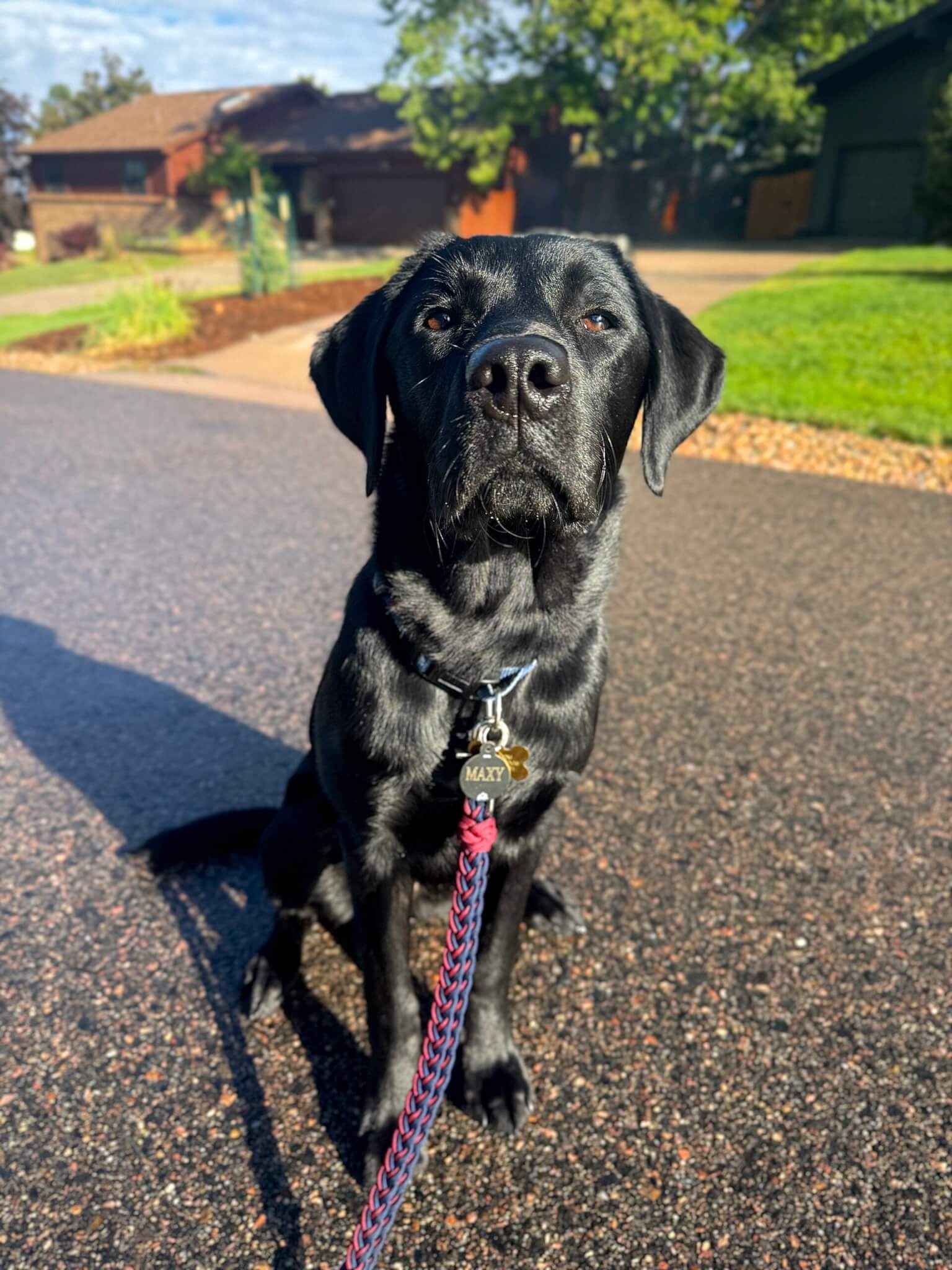
Just like humans, dogs of all shapes, sizes, and ages need regular physical activity to stay healthy. According to the Association for Pet Obesity Prevention, daily aerobic activity helps us maintain strong muscles and joints, boosts immunity, eases anxiety, improves cardiovascular health, and helps burn fat to prevent obesity and other health problems. Exercise needs may vary depending on your pup’s breed and energy levels, but by implementing more movement into our day, you can help set us up for a lifetime of health and happiness. Plus, it’s a great way for us to bond!
Exercise can be as simple as a long game of fetch, an energetic training session, or structured playtime that gets our tails wagging and our bodies moving. It could also be a daily walk together where we get out and enjoy some sunshine on a favorite trail or in the neighborhood. If you have mobility challenges or the weather outside is too extreme for outdoor exercise, you may consider investing in a treadmill made for dogs so we can still get our steps in. You can also get creative with other great forms of exercise, such as swimming, hiking, running, or getting involved in a dog sport like agility!
3. Sniffy Walks
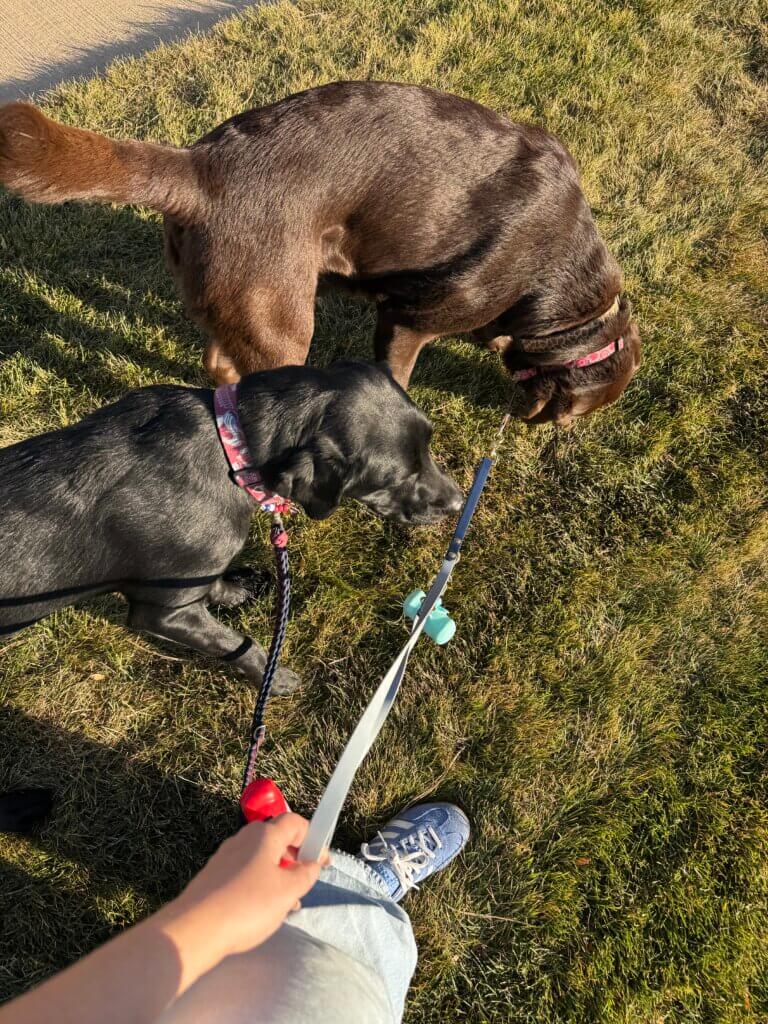
Have you ever noticed how your dog’s nose seems glued to the ground as they sniff every blade of grass and every mailbox on your neighborhood stroll? That’s because sniffing is how we experience the world! For us, sniffing is like reading a newspaper or scrolling through social media—we gather important information about our environment and other animals, dogs, and people who’ve passed by.
While humans often focus on the destination, dogs are all about the journey! Take your dog for a sniff-centric walk, also affectionately known as a “sniffy walk” or “sniffari,” where you let them sniff and explore to their heart’s desire. All you need is a long line and a peaceful, safe place for them to roam. By letting them stop and smell the roses (and everything else!), you give them an opportunity to engage in natural behaviors that can be just as enriching as going for a long run. It also allows them to have a little more autonomy, since most dogs’ daily routines are human-directed.
Pro Tip: Sniffaris can also be a good time for the humans to pause for a moment of mindfulness, which can reduce stress. Stop and look up at the beautiful sky, notice the trees, and smell the roses along with your furry friends.
4. The Engage/Disengage Game
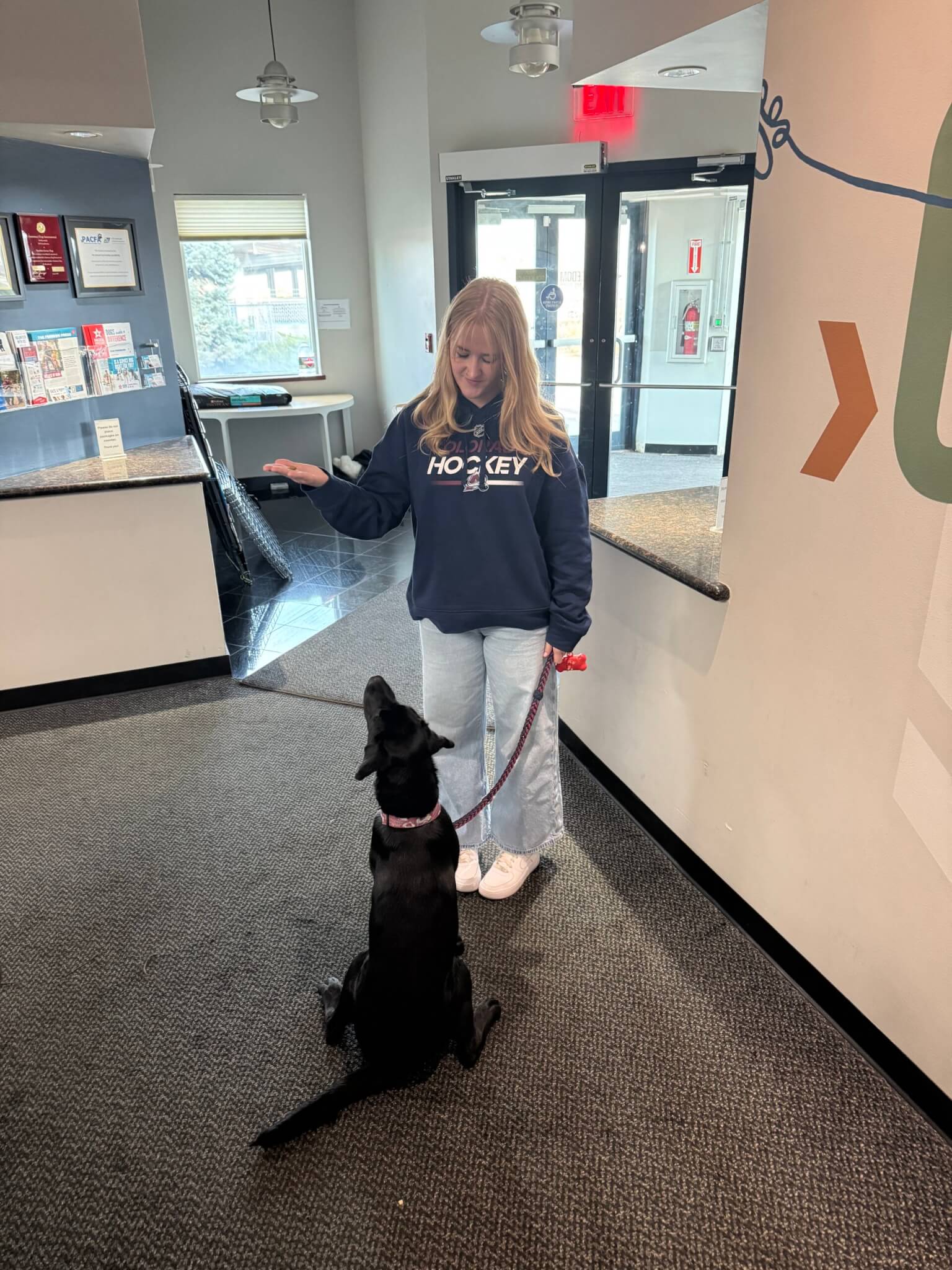
Training and focus games are wonderful ways to engage your dog’s mind while building confidence and strengthening your relationship by increasing trust. The “engage/disengage” game is one of my favorites, as it’s incredibly rewarding and gives dogs an alternative, desirable behavior to perform when we’re unsure about something or are faced with something exciting.
Here’s how to play:
- Once your dog has mastered the game, you can increase the difficulty, such as adding distractions to the environment.
- Choose a low-distraction, familiar environment like your living room, kitchen, a bedroom, or the backyard. Have high-value treats ready!
- With a treat in one hand, hold it out to the side of your body with an open palm so your dog can see the treat.
- The moment your dog looks away from the treat, praise them and reward them with a treat from your other hand. If your dog attempts to take the treat from your hand before you give it to them, close your palm so they can’t get to it and reward them when they stop.
- Repeat this process several times, rewarding every time they disengage from staring at the treat.
- Over time, encourage them to make eye contact with you before receiving the treat. Then, gradually increase how long they hold your gaze before treating them.
The “engage/disengage” game can be used to teach dogs to focus on you and choose a reliable behavior rather than reacting to triggers, such as other dogs, people, food on the floor, small animals, or objects. It’s also a great way to build focus, confidence, impulse control, and relaxation.
5. Busy Boxes
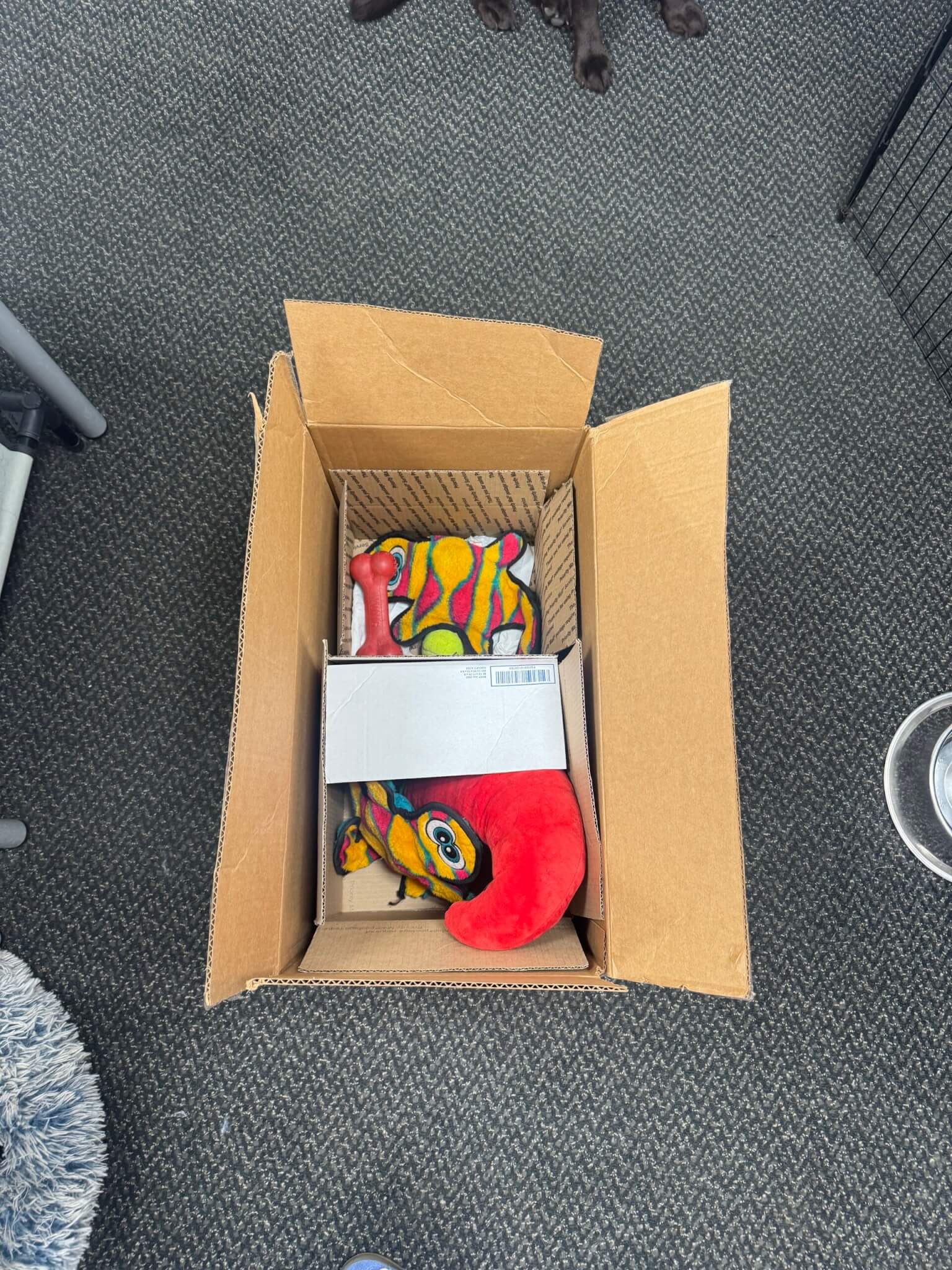
Busy boxes, also known as enrichment or foraging boxes, are the ultimate DIY boredom busters! They’re easy (and inexpensive!) to make with items you already have at home and can provide multiple forms of stimulation all at once!
To start, you’ll need a medium or large cardboard box. Fill it with other smaller boxes, your dog’s toys, crumpled newspaper, toilet paper rolls, empty egg cartons, yogurt containers, treats, and other items your pet can destroy or forage through. You can also include extra challenges inside, such as treat dispensing toys or rolling kibble in a towel, tying it loosely, and placing it in the box.
Each hidden challenge inside the box encourages your pup to sniff, dig, lick, and tear, keeping them happily occupied while providing mental and physical stimulation.
Final Thoughts
By implementing more activities in your dog’s day that engage their mind and bodies, you can help them become the happiest and healthiest version of themselves while strengthening your relationship. And, it may just help reduce your stress levels by building in some mindful moments throughout your day too!
About the Writer
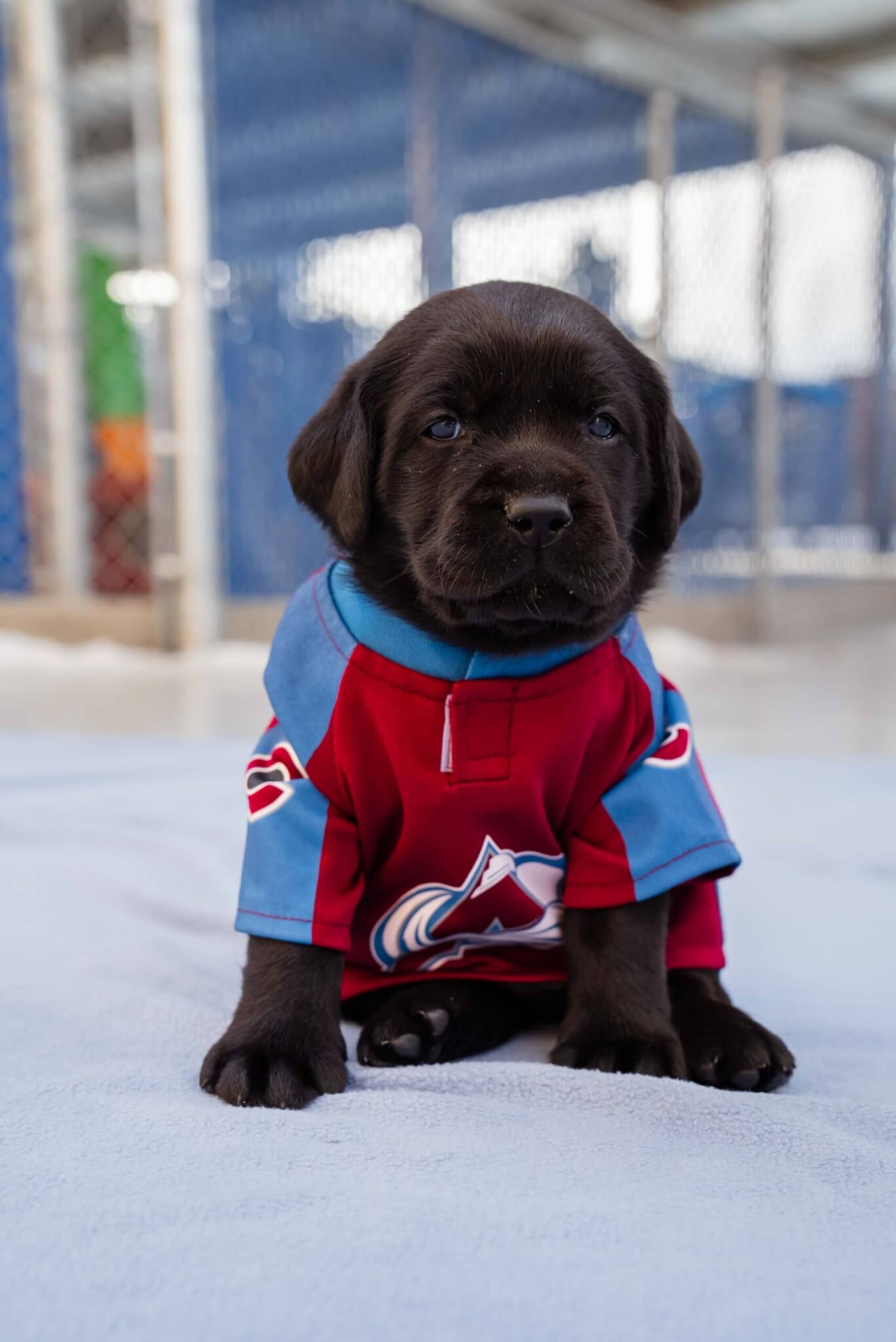
When Maxy isn’t cheering on the Avs, she’s training to become a life-changing service dog where she dreams of the day she can transform someone’s life.
Freedom Service Dog in training Maxy is Freedom Service Dogs’ and the Colorado Avalanche’s first-ever team dog—and the first pup to join Bernie’s Buddies. Sponsored by our friends at Goodheart Animal Health Centers, she was named by hockey fans in honor of late Avs Color Analyst and U.S. Hockey Hall of Famer Peter McNab, who was nicknamed “Maxy.”
Be sure to follow Freedom Service Dogs on Instagram, Facebook, TikTok, and LinkedIn to keep up with everything Maxy does! And if you’d like to support her on her service dog journey, you can contribute to the Maxy Scholarship Fund, which covers the cost of her training and care throughout our program.
Learn More about Freedom Service Dogs
Want to learn more about our mission or make a gift to support our work? Visit our website at freedomservicedogs.org, call 303-922-6231, or email us at [email protected] to learn more about how our dogs make a difference in the lives of people living with disabilities.
If this blog made your tail wag, you may also enjoy:
10 Interesting Facts About Service Dogs
Lara & Mushu: Passing the Leash
Published 11/17/25

Contact Erin Conley at [email protected] for all media inquiries.